Bridges are critical links in road and transport networks. They carry daily traffic, heavy vehicles and essential freight. Over time, exposure to load, weather and moisture affects their performance.
Bridge maintenance and repair is the structured process of preserving these assets so they remain safe, compliant and functional. It focuses on extending service life, managing deterioration and reducing the need for major rehabilitation.
For councils, road authorities and asset managers, proactive bridge works reduce risk, minimise disruption and protect long-term budgets.
Bridge maintenance and repair refers to the inspection, preservation and restoration of existing bridge structures. It does not involve new construction. Instead, it targets deterioration before it becomes structural failure.
Bridge works generally fall into two categories:
Preventative maintenance
Corrective repairs
The objective is simple: maintain structural integrity, ensure user safety and extend asset lifespan.
Bridge deterioration is gradual but predictable. Understanding the causes helps determine when maintenance is required.
Water is one of the most damaging elements affecting bridge structures. Failed membranes or expansion joints allow moisture to penetrate the deck, leading to corrosion of reinforcement and concrete deterioration.
Expansion joints allow bridges to move with temperature and traffic loads. When they fail, water and debris enter the structure, accelerating damage beneath the deck surface.
Heavy vehicle traffic increases stress on bridge decks and joints. Over time, repeated loading causes surface wear, cracking and fatigue.
UV radiation, temperature variation, moisture and contaminants contribute to surface degradation and concrete cracking.
Small cracks allow water penetration. If untreated, corrosion expands within reinforcement, causing spalling and structural weakening.
Bridge works involve a combination of specialised processes designed to protect structural components.
Expansion joints absorb movement caused by thermal expansion and traffic loads. Signs of failure include:
Repairing or replacing damaged joints prevents moisture intrusion and protects the substructure.
Bridge decks experience constant wear from traffic. Over time, the surface can lose skid resistance, crack or deteriorate.
Deck resurfacing involves:
Resurfacing restores safety and extends deck life without full reconstruction.
Waterproofing systems prevent moisture penetration into the concrete structure. A compromised membrane allows corrosion to begin beneath the surface.
Installing or replacing membranes protects reinforcement, reduces long-term deterioration and supports structural performance.
Proper surface preparation is essential for successful repairs. Shot blasting removes contaminants, weak material and previous coatings. It creates a suitable profile for membranes, overlays or repair materials to bond correctly.
Without adequate preparation, repair systems may fail prematurely.
Crack sealing is a preventative measure that stops water ingress. Concrete repair techniques address spalled or weakened sections before deterioration spreads.
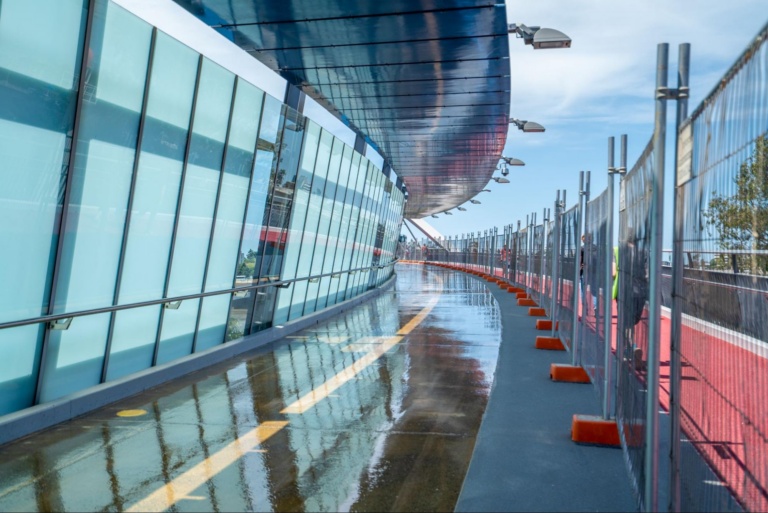
Bridge maintenance is typically triggered by one or more of the following:
Routine inspections identify surface defects, joint failures or membrane issues before they escalate.
Cracking, water staining, spalling or uneven surfaces indicate underlying problems.
Many councils operate structured maintenance programs aligned with asset management plans.
Higher freight volumes or route upgrades may accelerate wear and require earlier intervention.
Maintaining safe surfaces and structural integrity is essential for public safety and regulatory compliance.
Preventative maintenance involves targeted interventions before structural integrity is compromised. Major rehabilitation typically involves large-scale reconstruction and extended closures.
Key differences:
Preventative Maintenance
Major Rehabilitation
Bridge maintenance often forms part of larger road infrastructure programs. Integration with other services improves efficiency and minimises disruption.
These may include:
Coordinated planning ensures bridge works align with broader road network upgrades and safety requirements.
Asset managers should monitor for:
A structured program typically involves:
This approach supports long-term asset performance while reducing disruption to road users.
Bridge works require technical expertise, controlled processes and compliance management. Specialist contractors ensure:
GRM Systems delivers structured bridge maintenance and repair programs supported by certified systems, experienced crews and specialised equipment. The company provides targeted solutions across all areas. Each project is delivered with strict quality control to ensure long-term structural performance under live traffic conditions.
GRM integrates bridge works with traffic control, line marking and broader road infrastructure services. This coordinated approach enables clients to engage a single contractor from initial preparation through to final surface reinstatement, improving efficiency, reducing disruption and maintaining consistent compliance standards.
With more than 25 years of experience supporting councils, civil contractors and asset managers across Australia, GRM Systems delivers bridge works that prioritise safety, durability and lifecycle value.
Whether you’re planning road upgrades, seeking expert line marking services, or require integrated traffic control and surfacing solutions, GRM Systems is ready to assist. We work with councils, developers, and contractors across Australia to deliver projects on time, on budget, and to the highest industry standards.
"*" indicates required fields
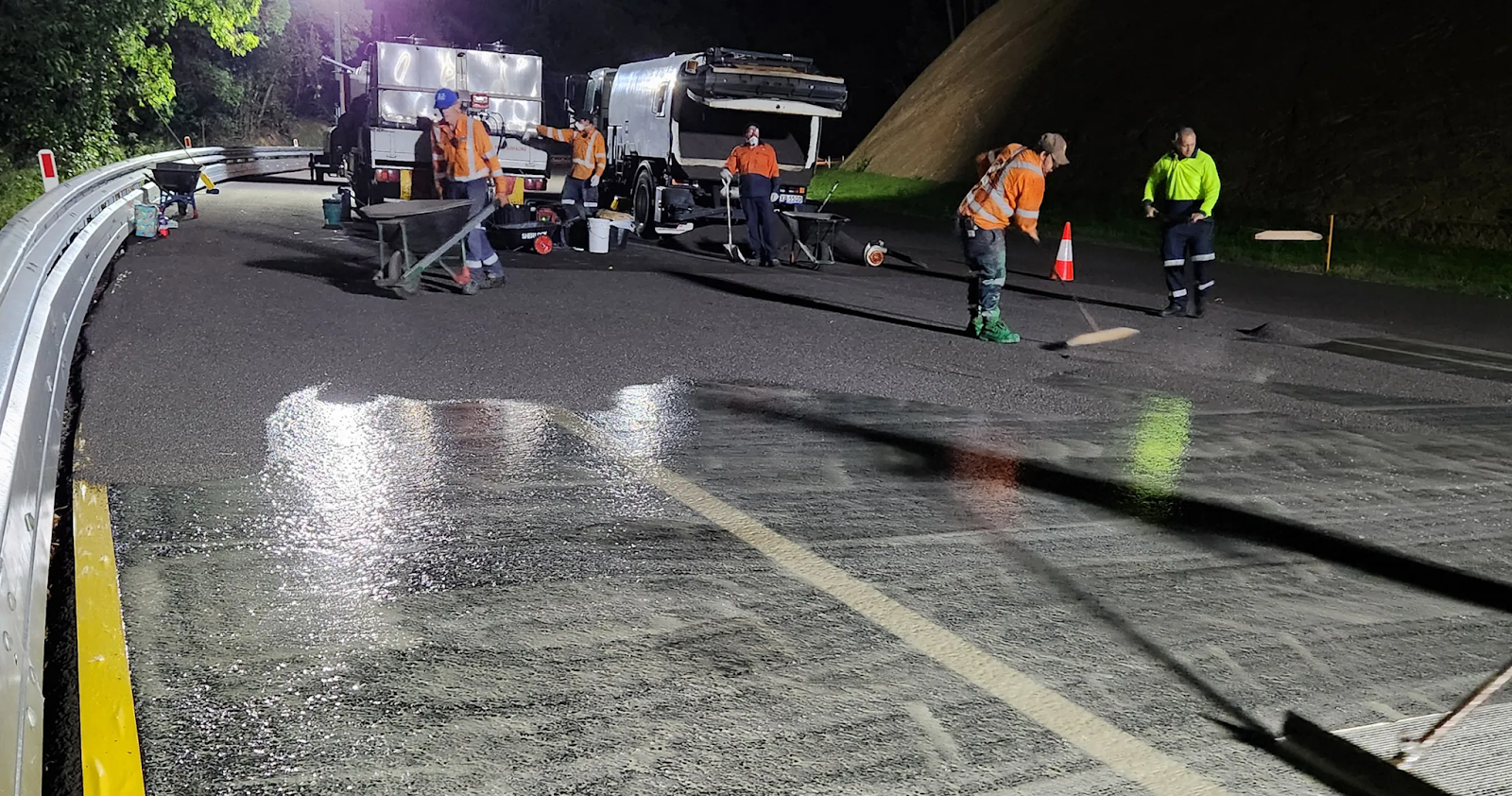
Road surfacing is the process of applying specialised materials to a road to create a durable, skid-resistant, and traffic-ready road surface that supports safe vehicle movement under varying traffic and weather conditions.
Road surfacing strengthens the pavement structure, improves friction, protects the underlying layers, and extends the overall service life of the asset. The most common road surfacing materials include asphalt, spray seal, concrete, coloured coatings, and high-friction surface treatments. Each option suits different traffic volumes, project budgets, and performance requirements.
Road surfacing improves safety, increases skid resistance, strengthens pavement life, reduces traffic noise, and supports consistent road performance in high-use environments. A well-constructed surface reduces crash risk, prevents premature pavement failure, and delivers smoother travel for all road users.
These outcomes are essential across intersections with heavy braking, high-speed highways, busy pedestrian zones, and commercial areas with constant vehicle load. A stable and well-maintained road surface also reduces long-term maintenance costs for councils, contractors, and asset managers.
The table below lists the primary surfacing systems used across Australian roads and civil networks.
| Surface Type | Typical Use Cases | Key Benefits |
| Asphalt Surfacing | Highways, suburban roads, freight routes, industrial areas | Smooth finish, strong durability, quick laying time, suitable for high-volume traffic |
| Spray Seal (Chip Seal) | Rural roads, regional networks, low-to-medium traffic environments | Cost-effective, waterproof, strong surface adhesion, extends pavement life |
| Concrete Pavements | Intersections, heavy-vehicle corridors, busways, loading zones | Long lifespan, high load capacity, minimal rutting or deformation |
| High-Friction Surface Treatments (HFST) | Intersections, roundabouts, sharp curves, steep descents | Increased skid resistance, significant crash-reduction performance |
| Polymer-Modified Asphalt (PMA) | Areas with heavy braking, high stress, or extreme weather | Enhanced flexibility, resistance to cracking, superior rut resistance |
| Coloured Surfacing Treatments | Bus lanes, cycleways, shared zones, pedestrian areas | High visibility, safer lane separation, UV-stable coloured finish |
Road surface marking a.k.a line marking, comes after road surfacing and refers to the application of lines, symbols, and coloured treatments on a road surface that guide drivers, improve safety, and support compliance with Australian traffic regulations. These markings provide visual cues that organise traffic flow and reduce the likelihood of collisions in busy or complex environments.
Road markings play a critical role in lane guidance, traffic separation, and pedestrian protection. Common examples include centre lines, edge lines, turn arrows, pedestrian crossings, bike lane markings, bus lane colours, parking indicators, and high-visibility symbols used in school zones or shared paths.
Engineers assess pavement strength, surface defects, traffic volumes, and environmental conditions to determine the most suitable surfacing material.
Crews remove debris, repair potholes or cracking, mill existing layers if required, and ensure the pavement is clean and dry for proper adhesion.
The chosen surfacing system is matched to the road’s traffic load, climate, and performance requirements.
The material is applied using specialised equipment. For example, asphalt is laid and compacted, spray seal involves binder and aggregate application, while HFST uses a resin-binder system with high-friction aggregate.
Asphalt is compacted to achieve density and smoothness. Concrete and resin-based systems require controlled curing to reach full strength.
Crews verify texture, friction, drainage, and smoothness to ensure the surface meets safety and compliance standards.
Road surface performance depends on factors that influence durability, friction, and long-term safety. These factors determine how well a surface handles daily traffic loads, weather conditions, and environmental stress.
Key performance factors include:
Traffic Volumes
Roads carrying more than 15,000 vehicles daily experience higher wear, increased polishing, and faster surface fatigue. Heavy-vehicle routes also place additional stress on pavements.
Climate and Temperature Extremes
Large temperature swings, high UV exposure, and frequent rainfall accelerate oxidation, cracking, and binder ageing. Hot climates influence rutting, while cold climates increase thermal cracking.
Sub-Base Strength and Quality
A weak or poorly compacted sub-base leads to deformation, potholes, and early failure. Strong foundations extend pavement life and improve load distribution.
Material Selection
Choosing the right surfacing type directly influences friction, resilience, and lifespan.
Drainage Design
Effective drainage prevents water pooling, reduces stripping, and limits moisture-related failures. Roads with poor drainage deteriorate significantly faster.
Road surfacing builds the initial top layer of a pavement using materials such as asphalt, spray seal, concrete, or high-friction coatings. Road resurfacing renews the upper pavement layer without replacing the entire structure to improve safety, friction, and durability.
Resurfacing is commonly used when the existing road shows measurable deterioration, including surface roughness, cracking, oxidisation, rutting, or loss of skid resistance. These defects signal that the pavement structure is still sound, but the surface requires renewal to maintain performance and extend its service life.
Road surfacing supports safe, durable, and high-performing pavements across commercial sites and public infrastructure. These projects rely on strong surfacing systems that handle constant traffic, heavy loads, and long operational hours.
Councils, developers, civil contractors, and asset managers use road surfacing to improve access, protect underlying pavement layers, and extend the service life of high-use areas. The right surfacing system also reduces maintenance costs and improves safety outcomes for the community.
Common applications include shopping centre access roads, warehouse precincts, motorways, airport aprons and taxiways, public car parks, and industrial estates. Each site benefits from a surface designed to support its specific traffic volume, vehicle type, and environmental conditions.
GRM Systems delivers end-to-end support for road surfacing projects through certified processes, specialised crews, and national operational coverage. The company combines technical capability with strong safety systems to ensure every surface performs reliably under real-world conditions. GRM Systems is recognised as one of Australia’s leading providers of high-friction surface treatments across major road networks
GRM provides industry-recognised expertise across high-friction surface treatments, coloured surfacing, line marking, concrete works, and traffic management. This integrated approach allows clients to work with a single contractor from preparation through to final finishing, improving project efficiency and consistency.
With more than 25 years of experience and prequalification across multiple state authorities, GRM Systems supports councils, civil contractors, developers, and asset managers across Australia. Their focus on safety, quality assurance, and specialised equipment ensures road surfacing projects meet performance standards and deliver long-term value.
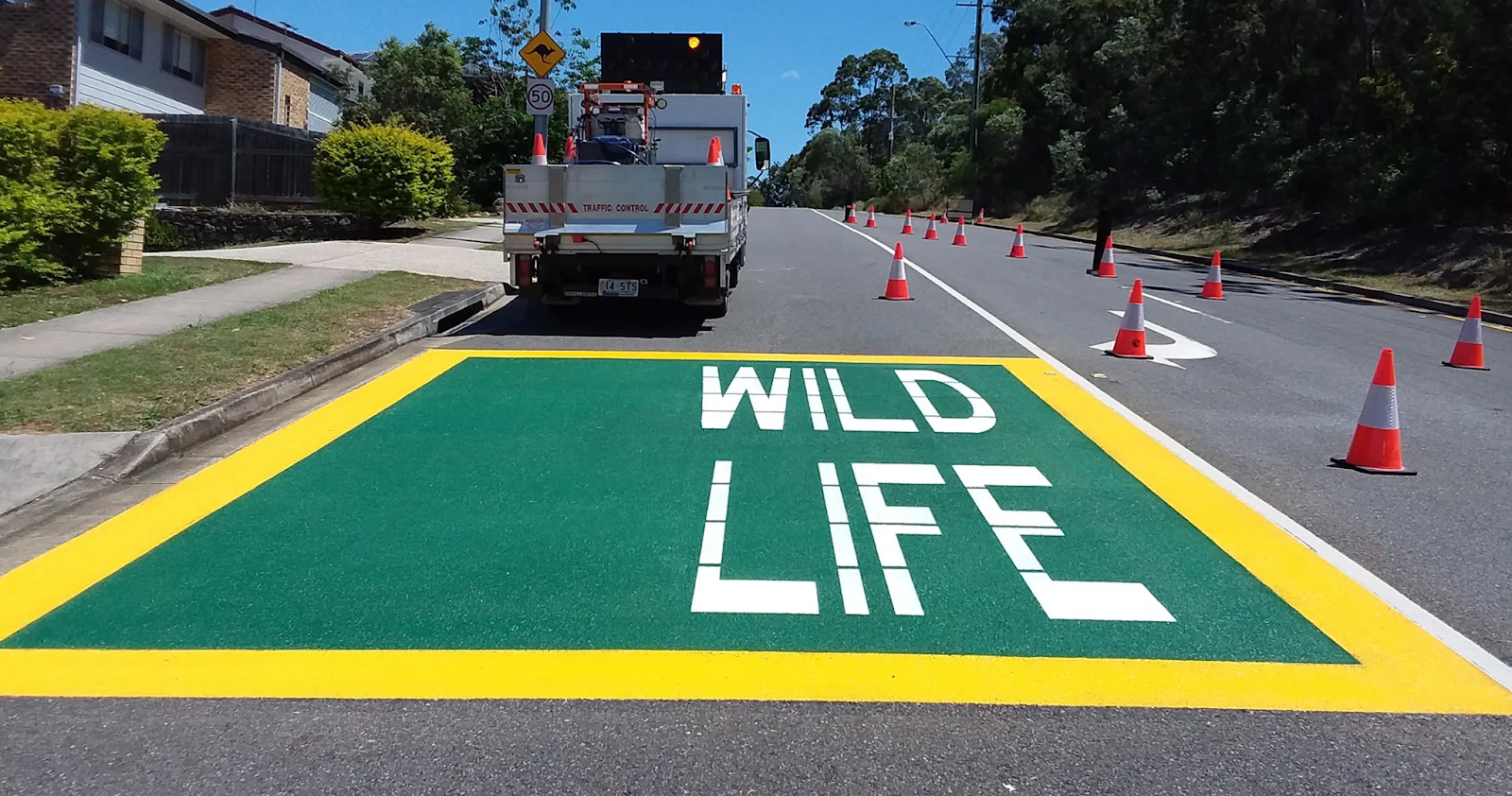
Coloured road surfacing is widely used across Australian road networks to improve lane discipline, visibility, and safety in areas with complex traffic movements.
Coloured road surfacing is a thin-layer skid-resistant treatment applied to sound asphalt or concrete that uses resin-based binders and coloured aggregates or pigments to improve lane visibility, strengthen delineation, and influence driver behaviour in high-conflict road environments.
Coloured surfacing is not paint or line marking. It forms a durable, bonded surface layer that covers defined road areas rather than providing directional guidance alone. Its primary purpose is to increase awareness, reinforce lane function, and support safer movement by clearly separating traffic types and priority zones.
Lane discipline and driver awareness reduce conflict, confusion, and crash risk in areas where traffic movements are complex and space is shared between different road users.
Poor lane discipline typically results in:
These behaviours commonly occur in:
Improving how drivers recognise and respond to lane function supports safer, more predictable traffic flow in these environments.
Coloured surfacing influences driver behaviour by providing immediate visual cues that define lane purpose and movement priority.
High-contrast colours improve visual recognition, allowing drivers to identify lane function earlier and with greater certainty. This clarity reduces hesitation, limits last-second manoeuvres, and supports smoother decision-making in areas where traffic movements converge or change direction.
Colour in road surfacing acts as a behavioural signal, not a decorative feature. By clearly distinguishing priority lanes, conflict zones, and shared spaces, coloured surfacing guides drivers to respond appropriately and maintain consistent lane discipline.
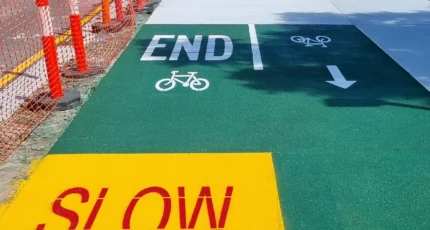
Coloured surfacing is applied in locations where clear visual delineation improves safety, reduces conflict, and supports predictable driver behaviour.
| Location Type | Safety Issue | How Colour Helps |
| Bus lanes | Vehicles encroaching into priority lanes | Clearly defines bus-only zones and improves lane compliance |
| Cycle lanes | Poor visibility and vehicle encroachment | Increases cyclist visibility and separates cycle movements from traffic |
| Pedestrian crossings | Low driver awareness and delayed reactions | Highlights crossing points and prompts earlier driver response |
| Conflict zones at intersections | Unclear movements and late decision-making | Reinforces lane priority and guides turning behaviour |
| Slip lanes and merge points | Sudden lane changes and loss of control | Improves recognition of merging areas and reduces hesitation |
| School zones | High pedestrian activity and speed inconsistency | Draws attention to reduced-speed environments and vulnerable users |
| Transit corridors | Mixed vehicle types and frequent stopping | Supports orderly traffic flow and consistent lane use |
Specific colours are used in road surfacing to communicate lane function and priority at a glance, helping drivers recognise how a space is intended to be used without relying on signage alone.
| Colour | Typical Use | Purpose |
| Red | Bus lanes, transit priority corridors | Signals restricted or priority use and reinforces lane discipline |
| Green | Cycle lanes, bicycle conflict zones | Highlights cyclist presence and separates cycle movements from traffic |
| Blue | Accessible parking areas, special access zones | Improves visibility of designated access spaces |
| Yellow | Caution areas, conflict zones, approaches to crossings | Draws attention to areas requiring increased driver awareness |
These colours act as visual cues rather than regulatory markings, supporting faster recognition and clearer decision-making in environments with mixed or changing traffic movements.
Coloured surfacing differs from line marking by covering the full lane area rather than providing directional guidance alone, making lane purpose and priority clearer from a greater distance.
Coloured surfacing offers stronger visibility, particularly in wet or low-light conditions, because the colour fills the entire lane rather than relying on narrow painted lines. This broader coverage reinforces behaviour more effectively, helping drivers maintain correct lane position and reducing encroachment into priority zones.
In high-traffic environments, coloured surfacing also delivers greater durability than standard line marking, retaining visibility for longer under repeated braking and turning movements. Line marking remains essential for directional guidance and regulatory information, while coloured
Key benefits include:
GRM Systems delivers coloured road surfacing across Australia through specialist crews and established delivery processes that support safe, consistent outcomes on active road networks. Our OzSpray CST and OzGrip CST systems offer exceptional skid resistance, long-lasting colour retention, and seamless application.
With national capability, GRM applies coloured surfacing on a wide range of projects, integrating this work seamlessly with high-friction surface treatments, line marking, bridge works, traffic management and more to ensure clear delineation and safe traffic flow during and after installation.
GRM Systems has experience delivering coloured surfacing for councils, state road authorities, and civil contractors, applying treatments to sound pavements where improved visibility, lane discipline, and driver awareness are required. This integrated, practical approach allows GRM to support targeted safety upgrades without unnecessary pavement replacement or disruption.
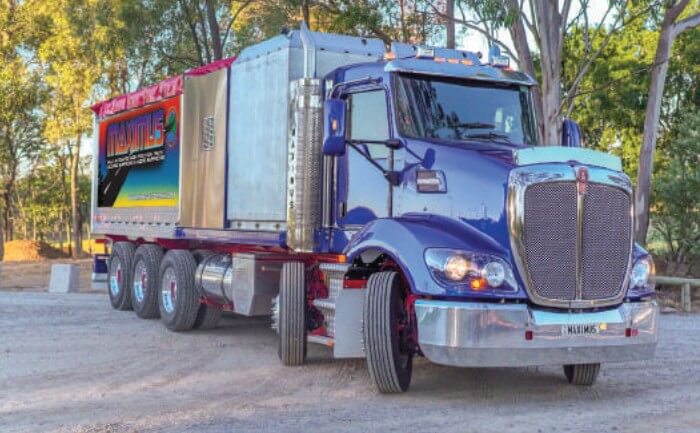
High-Friction Surface Treatment (HFST) is a thin-layer safety treatment made from a resin-binder system and calcined bauxite aggregate. It is applied to sound pavements to significantly increase skid resistance in high-risk locations without replacing the existing road surface.
HFST creates a hard, durable, high-texture surface that improves tyre grip during braking, cornering, and wet-weather conditions. It bonds directly to asphalt or concrete and is commonly used on intersections, roundabouts, sharp curves, steep descents, and pedestrian-heavy areas where drivers rely heavily on friction for safe control.
HFST improves safety by increasing surface friction, reducing stopping distances, and strengthening vehicle control in both dry and wet conditions.
By forming a high-texture surface on structurally sound asphalt or concrete, HFST reduces skid-related incidents at locations where drivers brake or change direction quickly. Australian and international research recognises HFST as a proven treatment for improving skid resistance and reducing loss-of-control crashes on high-risk sites, particularly in wet weather.
Because HFST is applied as a thin overlay rather than a structural resurfacing method, it delivers safer performance without the cost, disruption, or downtime associated with pavement replacement.
HFST is used on locations where braking, cornering, or wet-weather conditions create higher crash risk. The table below outlines common sites, the safety issues they present, and why HFST is effective.
| Location Type | Safety Issue | Why HFST Works |
| Approaches to signalised intersections | Heavy braking, rear-end crashes, wet-weather skidding | High friction shortens stopping distances and improves control during sudden braking |
| Roundabouts | Low-speed wet-weather crashes, loss of control | Consistent friction through curved paths and braking zones |
| Sharp horizontal curves | Run-off-road crashes, vehicle drift | High friction stabilises tyre grip and supports safer cornering |
| Steep downhill grades | Long braking distances, brake overheating, wet-weather skids | Increased friction supports controlled braking on descents |
| Busways and transport corridors | Frequent stopping, heavy braking | Durable, high-friction surface withstands repeated braking cycles |
| Pedestrian-heavy zones | Vulnerable road users, mixed traffic movements | Enhanced grip reduces skid risk and improves control |
| High-speed exits and merge lanes | High-speed lane changes, loss of control | Improved traction supports acceleration, deceleration, and lateral movements |
These locations benefit most because drivers depend heavily on friction for safe navigation.
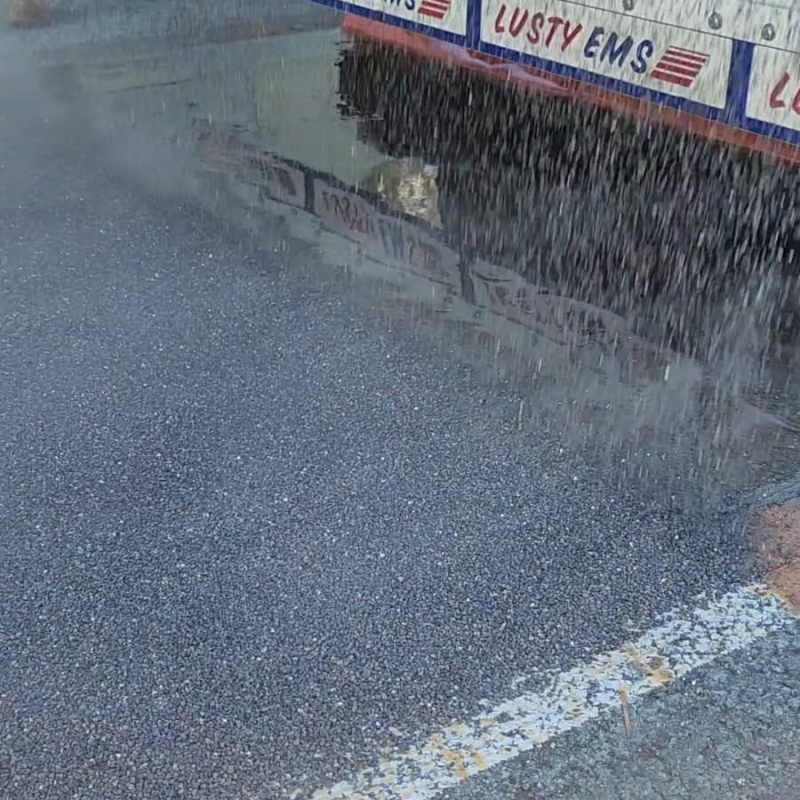
HFST improves safety by forming a thin, high-friction surface made from a resin-binder system and calcined bauxite aggregate. This overlay bonds directly to sound asphalt or concrete and significantly increases tyre grip in both dry and wet conditions.
Its performance comes from enhanced microtexture and macrotexture:
Calcined bauxite typically provides a skid resistance value above 70, far higher than conventional asphalt. Because the aggregate is extremely hard and wear-resistant, friction levels remain high over time, even on sites exposed to frequent braking and turning.
HFST differs from traditional surfacing because it is designed for targeted safety improvement, not pavement restoration. Traditional surfacing restores pavement condition, while HFST enhances friction on pavements that are already structurally sound.
| Category | HFST | Traditional Surfacing (Asphalt/Spray Seal) |
| Material Composition | Resin-binder system with calcined bauxite (SRV >70) | Bitumen-based asphalt or sprayed binder with aggregate |
| Primary Purpose | Increase skid resistance at high-risk sites | Restore surface condition and pavement structure |
| Application Method | Thin-layer applied to sound pavement | New surface layer over existing pavement |
| Thickness | 3–5 mm | 30–50 mm (asphalt), variable (spray seal) |
| Friction Performance | Extremely high, long-lasting friction | Standard friction for general roads |
| Crash Reduction Outcomes | Recognised globally for reducing skid-related crashes | Not designed specifically for crash reduction |
| Time to Return to Service | Fast curing; often same-day reopening | Longer cooling/curing times |
| Cost-Effectiveness | Highly cost-effective for safety-focused upgrades | More costly and unnecessary if pavement is structurally sound |
HFST delivers clear performance benefits by increasing skid resistance, shortening braking distances, and maintaining high friction over time.
HFST is the preferred solution for high-risk sites because it improves safety without replacing the pavement. The treatment targets friction issues directly, making it ideal for locations with skid patterns, braking issues, or wet-weather crash histories.
HFST installs quickly, often within a single shift, which minimises road closures and network disruption. It is also highly cost-effective for safety upgrades where the pavement remains structurally sound.
By providing significant friction improvements with minimal downtime, HFST offers a practical and proven way to enhance safety on targeted, high-risk road locations.
GRM Systems delivers HFST across Australia through certified processes, specialist crews, and more than 20 years of experience applying high-friction treatments on high-risk road locations. The company is recognised as one of Australia’s largest HFST installers, trusted for its technical capability and consistent safety outcomes.
GRM operates with national coverage, deploying trained HFST teams equipped to complete work efficiently on intersections, roundabouts, steep grades, and other high-risk sites. Their accredited systems ensure every installation meets required performance standards, with rigorous preparation, application, and quality-control procedures.
As a long-standing partner to councils, state road authorities, and civil contractors, GRM Systems has a proven track record in delivering HFST as a targeted safety treatment for sound pavements. Their industry partnerships and commitment to safety make them a leading provider for road networks seeking reliable friction improvement and strong, long-term performance.