What Exactly Is Road Surfacing?
Road surfacing is the process of applying specialised materials to a road to create a durable, skid-resistant, and traffic-ready road surface that supports safe vehicle movement under varying traffic and weather conditions.
Road surfacing strengthens the pavement structure, improves friction, protects the underlying layers, and extends the overall service life of the asset. The most common road surfacing materials include asphalt, spray seal, concrete, coloured coatings, and high-friction surface treatments. Each option suits different traffic volumes, project budgets, and performance requirements.
Why Road Surfacing Matters
Road surfacing improves safety, increases skid resistance, strengthens pavement life, reduces traffic noise, and supports consistent road performance in high-use environments. A well-constructed surface reduces crash risk, prevents premature pavement failure, and delivers smoother travel for all road users.
These outcomes are essential across intersections with heavy braking, high-speed highways, busy pedestrian zones, and commercial areas with constant vehicle load. A stable and well-maintained road surface also reduces long-term maintenance costs for councils, contractors, and asset managers.
Types of Road Surfacing
The table below lists the primary surfacing systems used across Australian roads and civil networks.
| Surface Type | Typical Use Cases | Key Benefits |
| Asphalt Surfacing | Highways, suburban roads, freight routes, industrial areas | Smooth finish, strong durability, quick laying time, suitable for high-volume traffic |
| Spray Seal (Chip Seal) | Rural roads, regional networks, low-to-medium traffic environments | Cost-effective, waterproof, strong surface adhesion, extends pavement life |
| Concrete Pavements | Intersections, heavy-vehicle corridors, busways, loading zones | Long lifespan, high load capacity, minimal rutting or deformation |
| High-Friction Surface Treatments (HFST) | Intersections, roundabouts, sharp curves, steep descents | Increased skid resistance, significant crash-reduction performance |
| Polymer-Modified Asphalt (PMA) | Areas with heavy braking, high stress, or extreme weather | Enhanced flexibility, resistance to cracking, superior rut resistance |
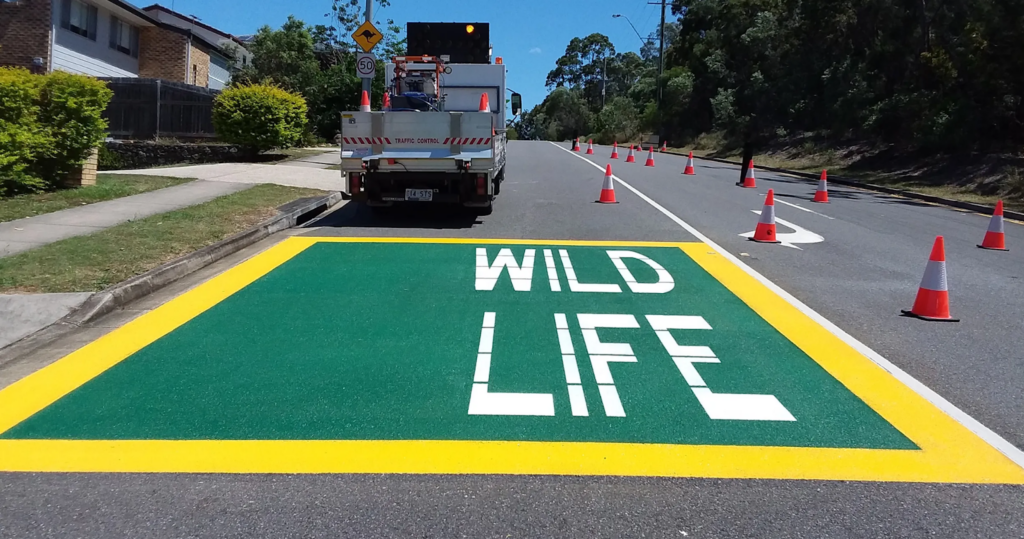
| Coloured Surfacing Treatments | Bus lanes, cycleways, shared zones, pedestrian areas | High visibility, safer lane separation, UV-stable coloured finish |
Road Surface Marking and Its Role
Road surface marking a.k.a line marking, comes after road surfacing and refers to the application of lines, symbols, and coloured treatments on a road surface that guide drivers, improve safety, and support compliance with Australian traffic regulations. These markings provide visual cues that organise traffic flow and reduce the likelihood of collisions in busy or complex environments.
Road markings play a critical role in lane guidance, traffic separation, and pedestrian protection. Common examples include centre lines, edge lines, turn arrows, pedestrian crossings, bike lane markings, bus lane colours, parking indicators, and high-visibility symbols used in school zones or shared paths.
The Road Surfacing Process (In a Nutshell)
Condition Assessment
Engineers assess pavement strength, surface defects, traffic volumes, and environmental conditions to determine the most suitable surfacing material.
Surface Preparation
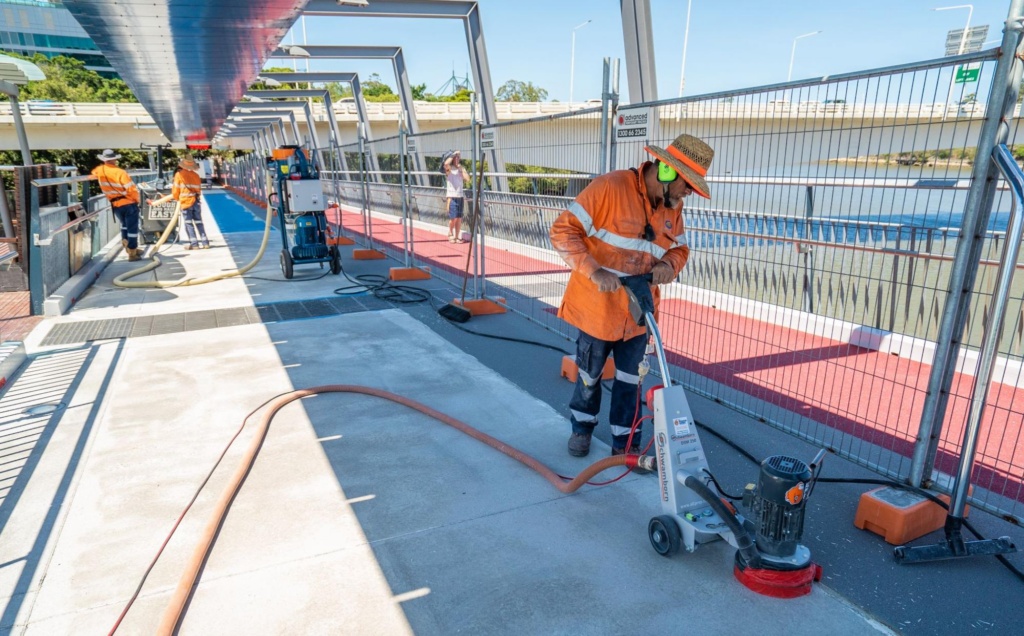
Crews remove debris, repair potholes or cracking, mill existing layers if required, and ensure the pavement is clean and dry for proper adhesion.
Material Selection
The chosen surfacing system is matched to the road’s traffic load, climate, and performance requirements.
Application of Surfacing Material
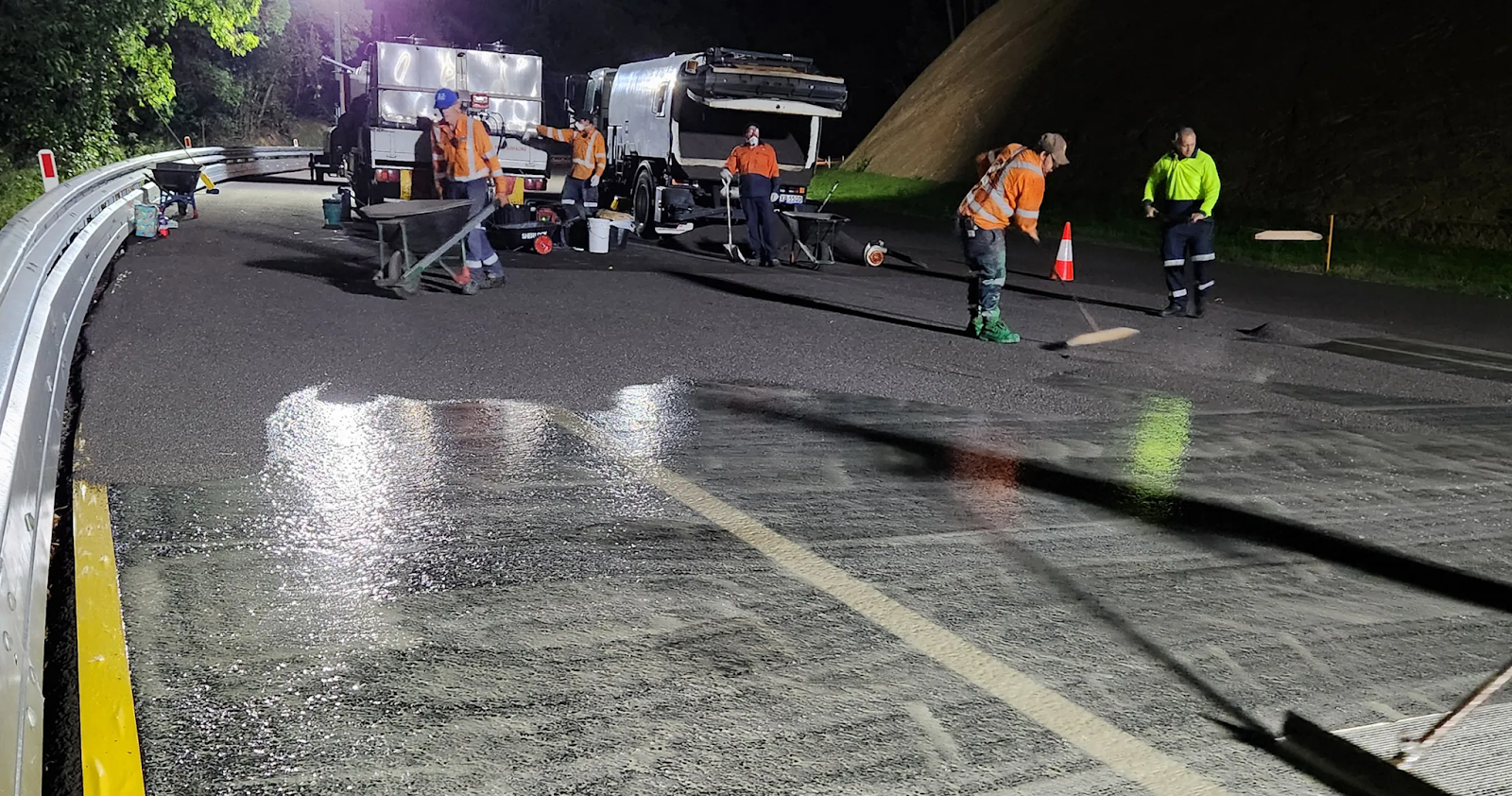
The material is applied using specialised equipment. For example, asphalt is laid and compacted, spray seal involves binder and aggregate application, while HFST uses a resin-binder system with high-friction aggregate.
Compaction or Curing
Asphalt is compacted to achieve density and smoothness. Concrete and resin-based systems require controlled curing to reach full strength.
Finishing and Quality Checks
Crews verify texture, friction, drainage, and smoothness to ensure the surface meets safety and compliance standards.
Factors That Affect Road Surface Performance
Road surface performance depends on factors that influence durability, friction, and long-term safety. These factors determine how well a surface handles daily traffic loads, weather conditions, and environmental stress.
Key performance factors include:
Traffic Volumes
Roads carrying more than 15,000 vehicles daily experience higher wear, increased polishing, and faster surface fatigue. Heavy-vehicle routes also place additional stress on pavements.
Climate and Temperature Extremes
Large temperature swings, high UV exposure, and frequent rainfall accelerate oxidation, cracking, and binder ageing. Hot climates influence rutting, while cold climates increase thermal cracking.
Sub-Base Strength and Quality
A weak or poorly compacted sub-base leads to deformation, potholes, and early failure. Strong foundations extend pavement life and improve load distribution.
Material Selection
Choosing the right surfacing type directly influences friction, resilience, and lifespan.
Drainage Design
Effective drainage prevents water pooling, reduces stripping, and limits moisture-related failures. Roads with poor drainage deteriorate significantly faster.
Road Surfacing vs Road Resurfacing
Road surfacing builds the initial top layer of a pavement using materials such as asphalt, spray seal, concrete, or high-friction coatings. Road resurfacing renews the upper pavement layer without replacing the entire structure to improve safety, friction, and durability.
Resurfacing is commonly used when the existing road shows measurable deterioration, including surface roughness, cracking, oxidisation, rutting, or loss of skid resistance. These defects signal that the pavement structure is still sound, but the surface requires renewal to maintain performance and extend its service life.
Road Surfacing for Commercial and Public Projects
Road surfacing supports safe, durable, and high-performing pavements across commercial sites and public infrastructure. These projects rely on strong surfacing systems that handle constant traffic, heavy loads, and long operational hours.
Councils, developers, civil contractors, and asset managers use road surfacing to improve access, protect underlying pavement layers, and extend the service life of high-use areas. The right surfacing system also reduces maintenance costs and improves safety outcomes for the community.
Common applications include shopping centre access roads, warehouse precincts, motorways, airport aprons and taxiways, public car parks, and industrial estates. Each site benefits from a surface designed to support its specific traffic volume, vehicle type, and environmental conditions.
How GRM Systems Supports Road Surfacing Projects
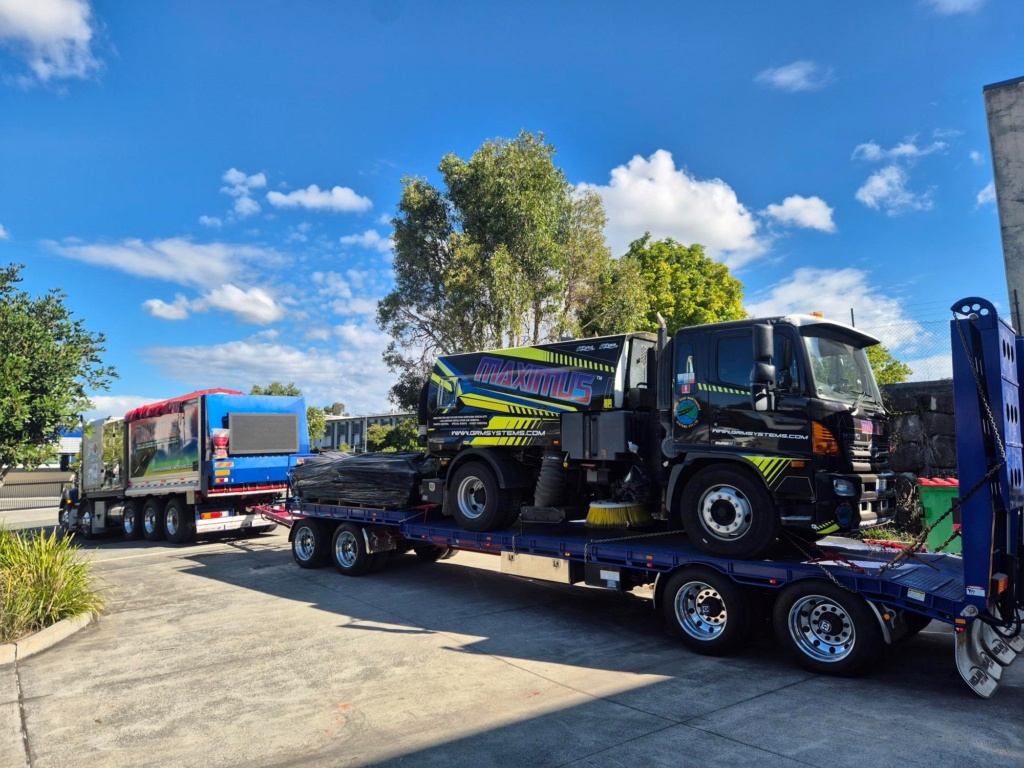
GRM Systems delivers end-to-end support for road surfacing projects through certified processes, specialised crews, and national operational coverage. The company combines technical capability with strong safety systems to ensure every surface performs reliably under real-world conditions. GRM Systems is recognised as one of Australia’s leading providers of high-friction surface treatments across major road networks
GRM provides industry-recognised expertise across high-friction surface treatments, coloured surfacing, line marking, concrete works, and traffic management. This integrated approach allows clients to work with a single contractor from preparation through to final finishing, improving project efficiency and consistency.
With more than 25 years of experience and prequalification across multiple state authorities, GRM Systems supports councils, civil contractors, developers, and asset managers across Australia. Their focus on safety, quality assurance, and specialised equipment ensures road surfacing projects meet performance standards and deliver long-term value.