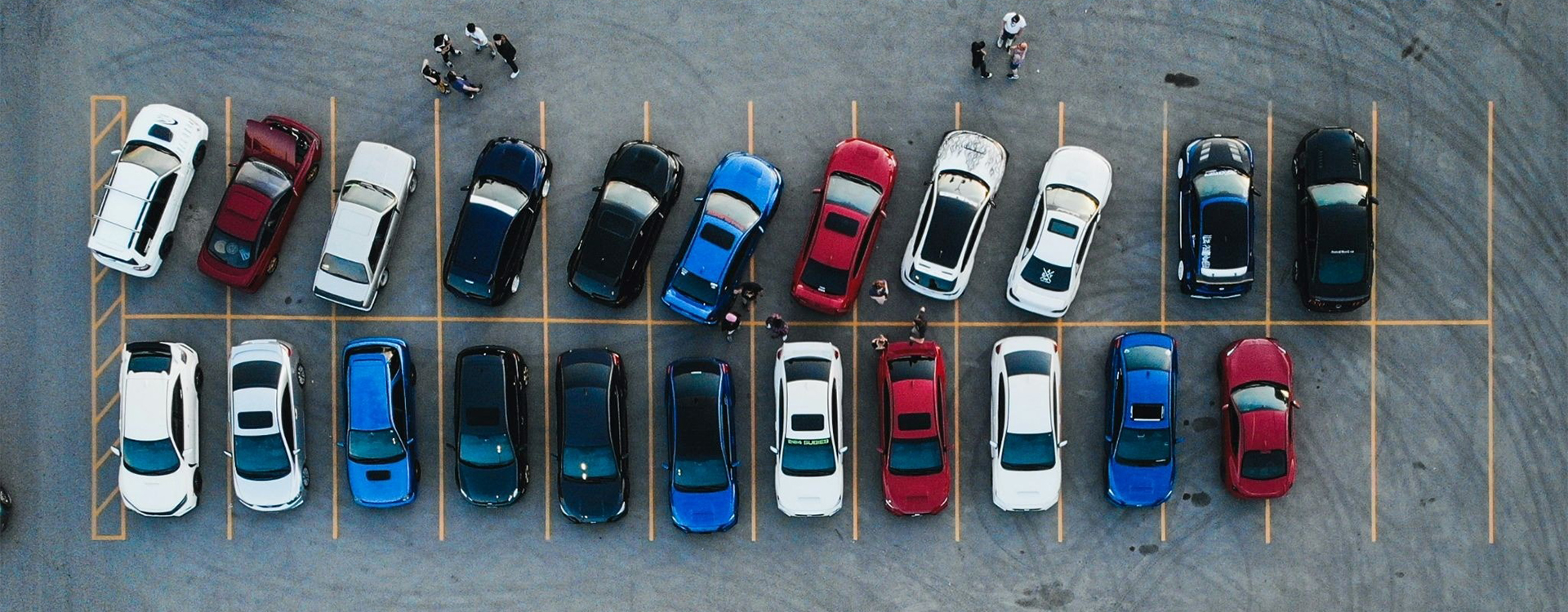
How to line mark a car park starts with a clear plan for the space, then moves into marking and painting.
The aim is to create clear bays, steady traffic flow, and safer movement around the site. That is why line marking is part marking work and part site control.
This guide covers the essentials only: what to decide first, how to mark out car park lines, how to prep and paint the surface, and when to call in a professional.
How to line mark a car park: what needs to be decided first
How to line mark a car park begins with a few quick checks. Know what the site needs to do before any lines go down.
Start with:
- how many bays the site needs
- where vehicles enter and exit
- whether traffic moves one way or two way
- where people walk through the area
- which bays need to stay accessible
These decisions affect how the finished layout works. They also affect how easy the marking job is to carry out.
A car park with tight turns, poor access paths, or faded old lines needs more care than a simple repaint. Good planning avoids rework later.
According to Safe Work Australia, separating vehicles and pedestrians is a key part of workplace traffic management. That is why even a basic car park marking job needs a clear site plan.
What to check before you mark out car park lines
Before you mark out car park lines, check the parts of the site that affect spacing and flow.
Focus on:
- bay angle and spacing
- access paths for pedestrians
- kerbs, columns, drains, and other fixed obstacles
- whether the old layout can stay or needs removal
- how the site will work once vehicles are parked
These checks stop obvious problems before the paint goes down. They also help the line marking crew work faster and with fewer corrections.
If the old lines are still visible, decide whether they are part of the new layout or part of the problem. Marking over conflicting lines usually makes the site harder to read.
How to mark out car park lines accurately
How to mark out car park lines comes down to measurement and alignment. Once the plan is set, the ground marks need to match it closely.
Set a datum line first, then measure across from that point. That gives the layout a fixed reference and keeps the bays even.
A simple marking process looks like this:
- Measure the usable area.
- Mark the main reference line.
- Set the corners of each bay.
- Check the spacing and alignment.
- Review the full layout before painting starts.
Use a tape, chalk line, or string line to keep the guides straight. Guesswork leads to uneven bays and crooked runs.
This stage matters most when the site has mixed bay sizes, angled spaces, or awkward boundaries. A small error at the start becomes a bigger problem by the end of the run.
How to prep the surface and apply the markings
Surface prep matters because paint only performs well on a clean, dry surface. Dirt, dust, moisture, and loose material all reduce how well the markings hold.
Sweep the area thoroughly and remove any debris. If the old lines are faded but still useful, keep them as a guide. If they clash with the new layout, remove or cover them first.
Then apply the markings in the planned order:
- Clean and dry the surface.
- Mask off edges if needed.
- Apply the paint or line marking system.
- Allow proper cure time.
- Open the area only when it is ready.
Do not rush the cure time. Fresh lines can scuff or lift if traffic returns too soon.
For live sites, traffic control matters as much as the painting itself. The work needs to happen without creating risk for drivers or pedestrians.
Common mistakes that create rework
Most rework comes from a small number of avoidable mistakes. The job looks simple until one of these gets missed.
Common errors include:
- measuring bays without a fixed reference line
- painting over conflicting old markings
- skipping surface prep
- blocking pedestrian paths
- reopening the area before the lines have cured
Each of these can affect how the site looks and how it functions. They also add time and cost if the work has to be fixed.
Good car park line marking is not just about making the surface look tidy. It needs to guide vehicles clearly and help people move through the site without confusion.
When to DIY and when to hire a professional
DIY can suit a small, low-traffic car park with a simple layout and clear access. In that setting, a repaint may be manageable if the measurements are accurate and the surface is in good condition.
A professional is the better fit for live sites, larger car parks, or layouts that need more control. That includes sites with active traffic, accessible bays, or old markings that need careful handling.
Use this quick guide:
| Situation | DIY can suit | Hire a professional |
| Small, low-traffic site | Yes | Optional |
| Simple repaint of existing bays | Yes | Optional |
| Complex layout or tight turning areas | No | Yes |
| Accessible parking included | No | Yes |
| Live site with vehicles moving | No | Yes |
| Need for traffic control during works | No | Yes |
If you need help with a site that needs more than a basic repaint, GRM Systems can handle the job. Recognised Australia wide for their road maintenance and surfacing services, their line marking service is the natural next step when you need a clean expert finish and minimal disruption.
Need a car park marked out properly?
If your site needs a new layout, a repaint, or work done around live traffic, GRM Systems can help. Speak with the team about your line marking project or get in touch through the contact page to discuss the site and next steps.
Start Your Next Project with GRM Systems
Whether you’re planning road upgrades, seeking expert line marking services, or require integrated traffic control and surfacing solutions, GRM Systems is ready to assist. We work with councils, developers, and contractors across Australia to deliver projects on time, on budget, and to the highest industry standards.
"*" indicates required fields