Councils, road authorities and civil contractors need high friction surfacing installed safely, consistently and with minimal disruption at high-risk road locations.
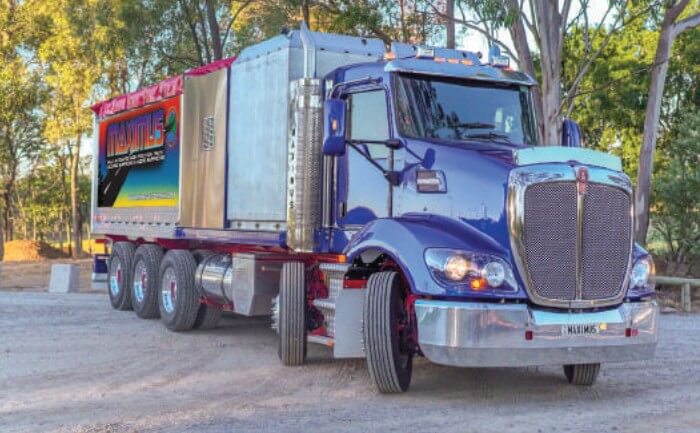
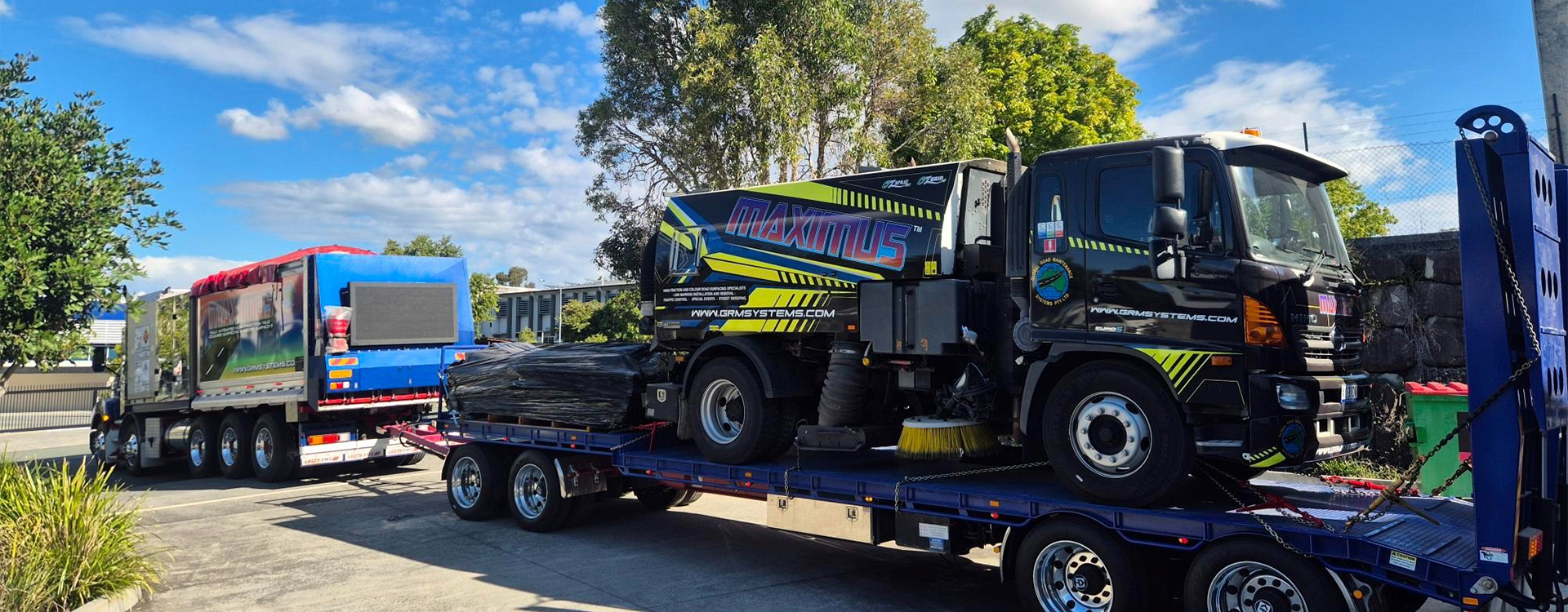
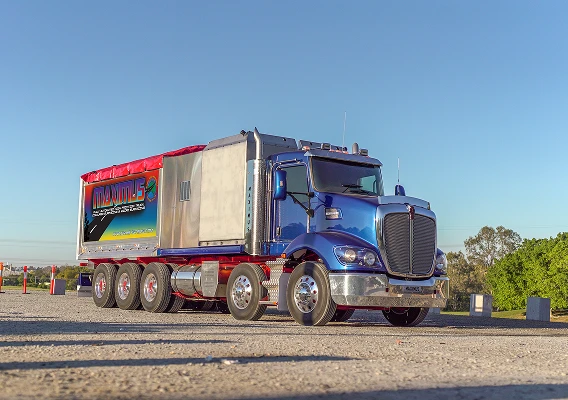
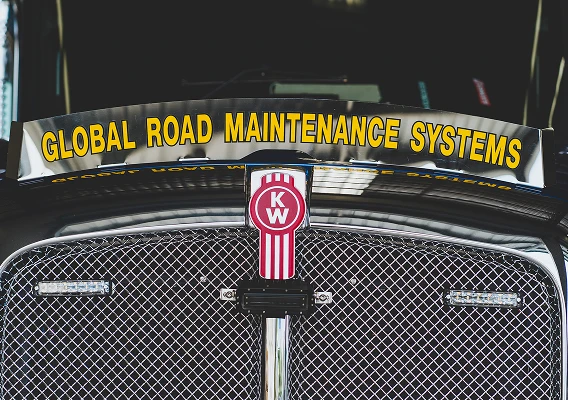
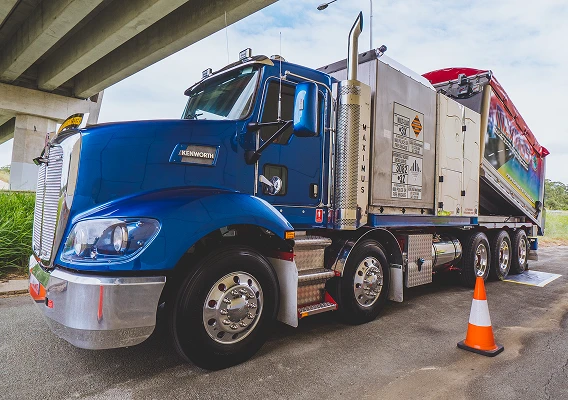
Maximus is GRM Systems’ automated high friction surfacing truck. It supports controlled material application while reducing the manual handling required at the application point. Experienced operators, surface preparation, traffic management and project-specific quality assurance remain essential.
Why Application Quality Matters in High Friction Surfacing
A high friction surface treatment combines a resin binder with hard, skid-resistant aggregate such as calcined bauxite. It is used to improve surface grip where braking, turning movements or wet conditions increase skid risk.
Performance depends on more than the materials. The pavement must be clean and suitable, the binder applied correctly and the aggregate distributed evenly within the available working time. Controlled application helps reduce variation across the treatment area, supporting a consistent finish and long-term serviceability.
Meet Maximus: Australia’s Automated High Friction Surfacing Truck
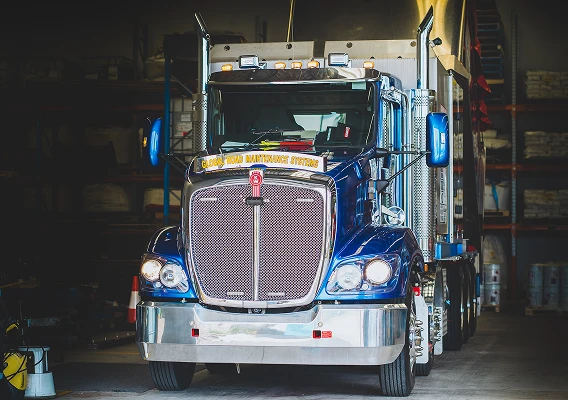
Maximus is a purpose-built surfacing unit developed by GRM Systems for high friction surfacing, coloured surfacing and microsurfacing. It combines automated application controls with experienced operator oversight.
The truck can support high friction treatments at safety-critical road locations, coloured treatments for bus lanes and cycleways, and pavement-preservation works on suitable surfaces. See the Maximus equipment page for more information about the unit.
How Automation Improves Surfacing Delivery
Controlled Material Application
Maximus controls selected application tasks that would otherwise require more manual handling and adjustment. This supports repeatable material delivery as work progresses across the road surface.
Automation does not correct an unstable or contaminated pavement. Site assessment and surface preparation must be completed before application begins.
Faster Application on Suitable Projects
A planned, repeatable process can help teams coordinate surfacing with preparation, traffic control, curing and reopening requirements. It may also support higher application rates on suitable continuous treatment areas.
Closure time still depends on project size, access, weather, pavement condition and curing requirements. Automation does not remove these constraints.
Reduced On-Road Exposure
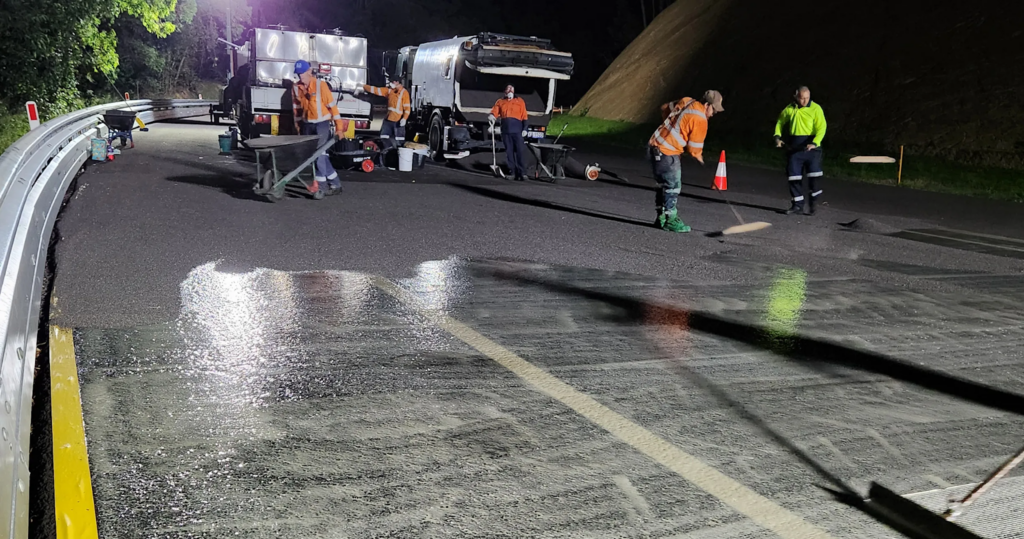
Reducing manual tasks at the application point may limit the time workers spend close to live traffic. This can support safer delivery within restricted closures and high-traffic environments.
A site-specific traffic management plan and safe-work process remain necessary throughout the project.
What Maximus Means for Councils and Civil Contractors
Automated application can provide several practical project benefits:
- more consistent material delivery across the treatment area
- fewer manual adjustments during application
- reduced worker exposure at the application point
- better coordination within planned closure windows
- clearer oversight of application and quality assurance requirements
The appropriate installation method must still be selected for each site. Equipment capability should be considered alongside pavement condition, treatment specification, road geometry and access.
Built for High-Risk and High-Traffic Road Environments
Maximus may be suitable for:
- intersection approaches and turning lanes
- roundabouts and tight bends
- steep grades and braking zones
- pedestrian crossings and raised platforms
- school zones and black spot locations
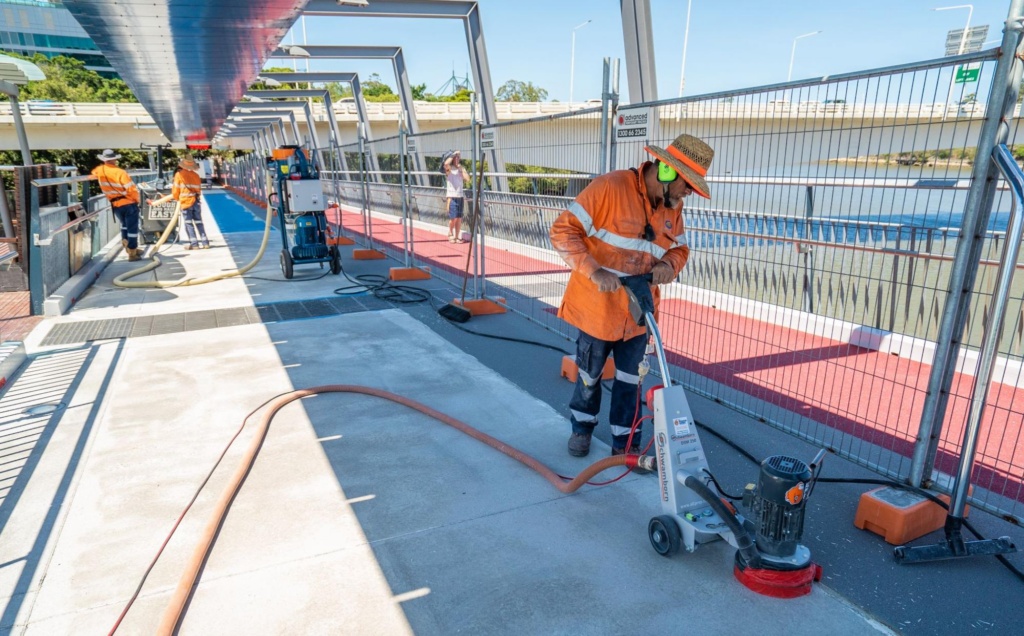
- bridge decks
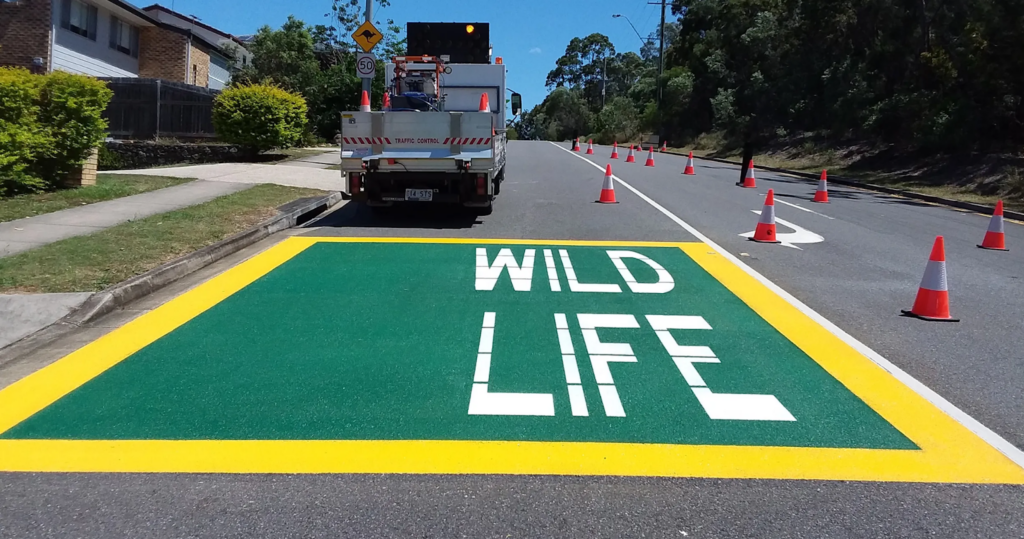
- bus lanes and cycleways
Larger or continuous treatment areas may offer more opportunity for automated application. Small, irregular or heavily obstructed sites may require a different approach.
Built Around Proven, Certified Surfacing Systems
Automation must be paired with an appropriate surfacing system. GRM Systems’ high friction and coloured surface treatment systems have achieved NTRO/TIPES Level 3 certification.
The National Transport Research Organisation has also reported on Maximus being assessed in Queensland. Certification applies to the assessed treatment system and its approved use. Each installation must still meet the relevant project specification, road authority requirements and site conditions.
GRM Systems has more than 26 years of specialist experience and has installed over one million square metres of calcined bauxite surfacing across Australia.
Speak With GRM Systems About Your Project
The decision to use Maximus should be based on pavement condition, treatment requirements, site access and the available closure window.
Submit a project enquiry to discuss your site and whether automated high friction surfacing is suitable.
FAQs
What is automated high friction surfacing?
Automated high friction surfacing uses specialist equipment to control parts of the material application process. Experienced operators still manage setup, monitoring and quality assurance.
Where is Maximus suitable for use?
Maximus may be suitable for intersections, roundabouts, bends, grades, crossings, bridge decks and other high-risk road areas. Suitability depends on pavement condition, site access and project requirements.
Can Maximus apply coloured surfacing and microsurfacing?
Yes. Maximus is purpose-built for high friction surfacing, coloured surfacing and microsurfacing applications. GRM Systems assesses each site before recommending a treatment and installation method.
Start Your Next Project with GRM Systems
Whether you’re planning road upgrades, seeking expert line marking services, or require integrated traffic control and surfacing solutions, GRM Systems is ready to assist. We work with councils, developers, and contractors across Australia to deliver projects on time, on budget, and to the highest industry standards.
"*" indicates required fields